A building usually tells you when it is overdue for attention. Timber looks tired, high-traffic walls start showing every knock and mark, and exterior surfaces lose the clean, cared-for finish that makes a property feel looked after. That is where painting maintenance Melbourne property owners rely on makes a real difference – not as a cosmetic extra, but as practical upkeep that protects the asset and keeps it presenting properly.
For homes, that often means preserving street appeal and keeping interiors fresh without waiting for major deterioration. For commercial and industrial sites, it is also about standards, safety, presentation, and reducing disruption by dealing with issues early. Good maintenance painting is less about dramatic change and more about staying ahead of wear, moisture exposure, impact damage, and the day-to-day strain that surfaces take on over time.
What painting maintenance actually includes
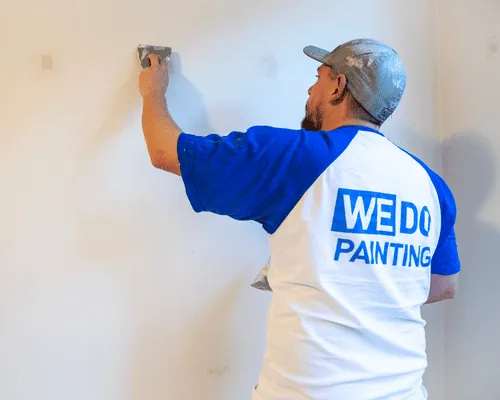
Painting maintenance is broader than many people expect. It can involve touch-ups and scheduled repainting, but it often starts with identifying the smaller issues that sit underneath the finish. Cracked plaster, damaged trims, surface scuffs, worn coatings, water-stained areas, and minor carpentry faults can all affect how well a paint system performs.
A proper maintenance approach looks at both the appearance and the condition of the substrate underneath. If the base is not sound, a fresh coat alone will never be the full fix. That is why experienced contractors often handle the repair work alongside the painting. It keeps the job efficient and leads to a better result.
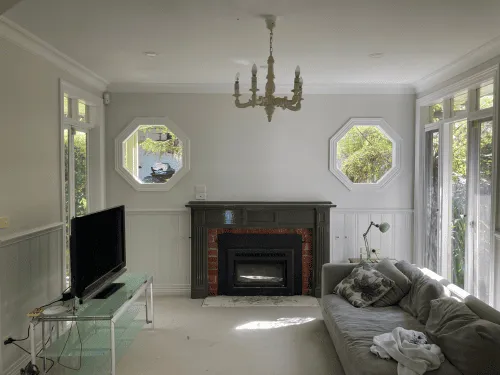
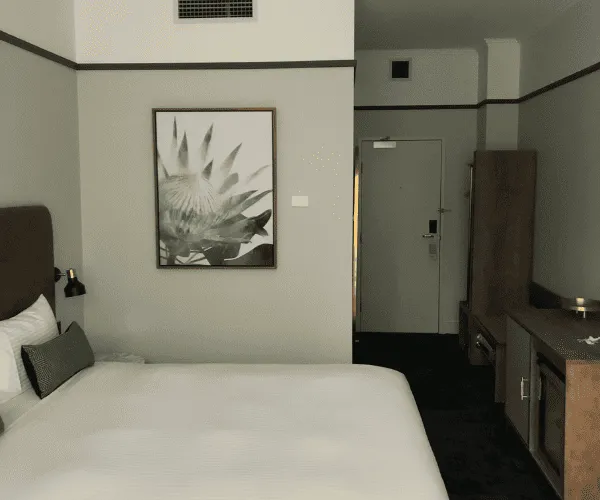
For a homeowner, this might mean patching internal wall damage before repainting a living area or restoring exterior timberwork before weather exposure causes more trouble. For a property manager, it may involve keeping common areas, rental properties, or building exteriors in a presentable and serviceable condition between larger upgrade cycles. For a business owner, it can mean maintaining client-facing spaces without closing the doors longer than necessary.
Why painting maintenance matters more in Melbourne
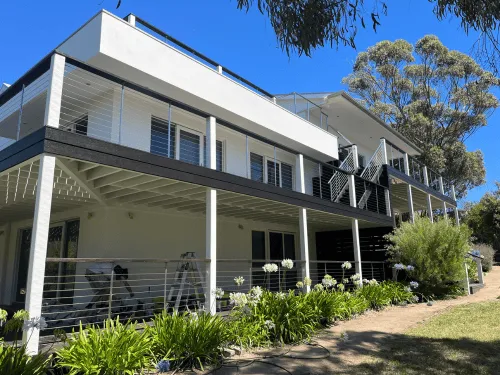
Melbourne properties deal with a mix of conditions across the year. Sun exposure, moisture, cooler winters, traffic grime, and general environmental wear all affect painted surfaces differently depending on the suburb, building type, and material. A weatherboard home in the south-east will age differently from an inner-suburban retail fitout or a warehouse with regular forklift traffic and operational wear.
That is why painting maintenance Melbourne owners choose should not be one-size-fits-all. The right timing, preparation, products, and repair scope depend on the property. Interior walls in a family home need a different approach from exterior fences, office foyers, factory floors, or strata common areas.
There is also the simple issue of cost control. Smaller maintenance works, done at the right time, are usually easier to manage than leaving a property untouched until the job becomes a full-scale restoration. It depends on the condition of the site, of course, but preventative maintenance is often the more practical option.
Signs your property is due for painting maintenance
Some signs are obvious. Faded exterior colour, marked walls, damaged trims, and dated finishes all point to the need for attention. Others are more subtle. You may notice surfaces are harder to clean, timber areas look exposed, or patched sections stand out because past repairs were never properly refinished.
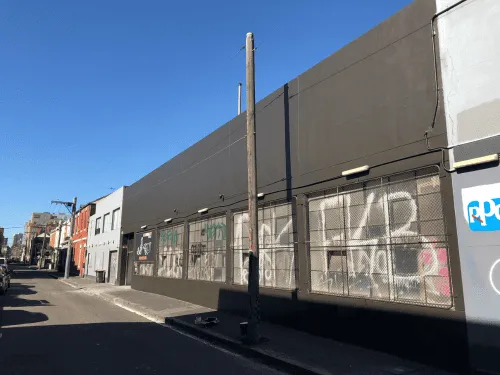
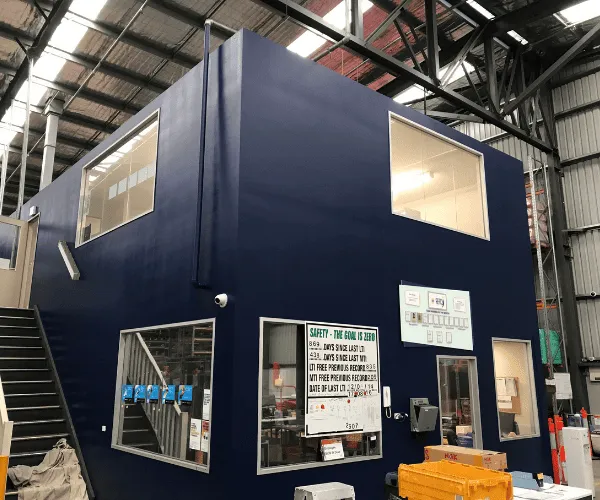
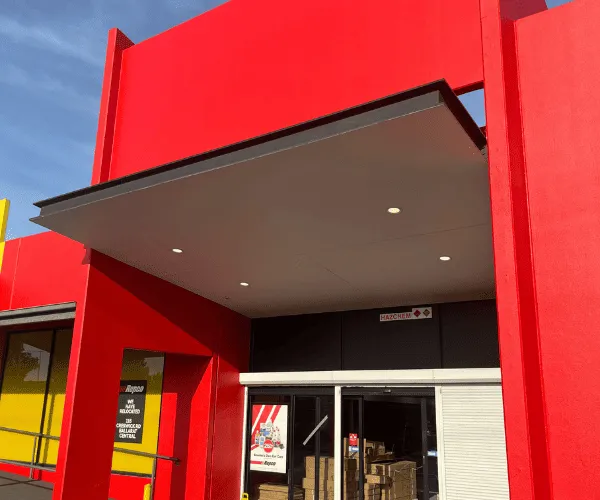
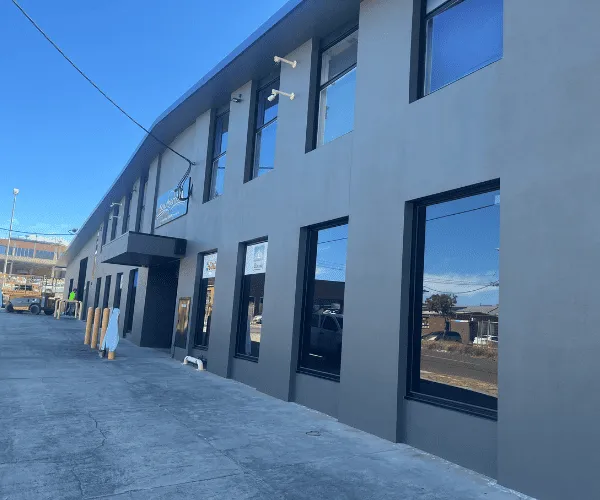
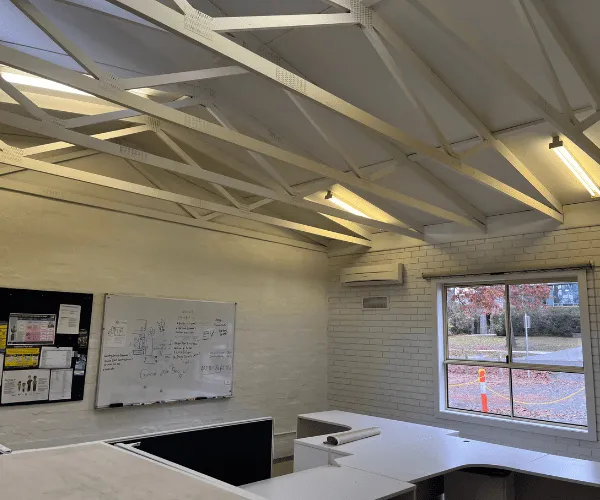
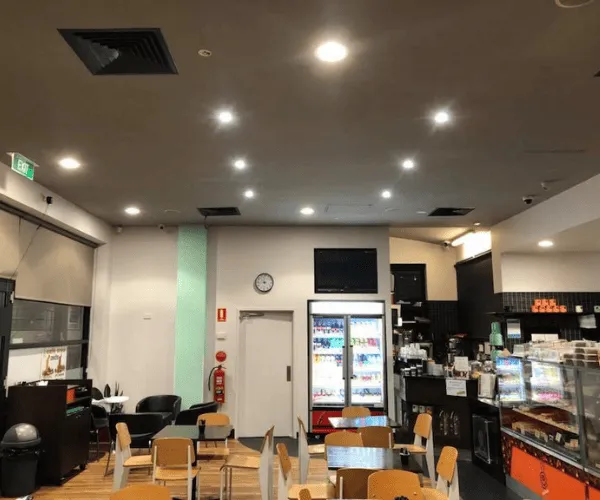
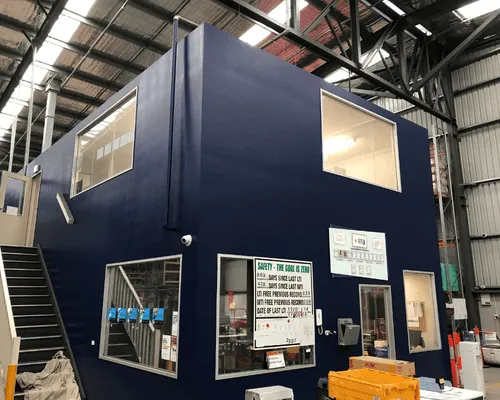
In commercial spaces, the trigger is often presentation. Reception areas, shopfronts, corridors, lunchrooms, and amenities all shape how customers, tenants, and staff read the space. If the environment feels neglected, people notice. In industrial settings, maintenance tends to be driven by function as much as appearance. Protective coatings, line-marked areas, structural steel, and hard-working surfaces need scheduled care to stay serviceable.
A good rule is this – if you are starting to notice the finish regularly, the maintenance window may already be open. Painted surfaces should support the space, not distract from it.
Painting maintenance Melbourne homes benefit from
Residential maintenance painting is usually about balancing protection, appearance, and timing. Most homeowners do not want to repaint more often than necessary, but they also do not want small issues turning into bigger jobs. The sweet spot is catching wear early and planning works around the areas that matter most.
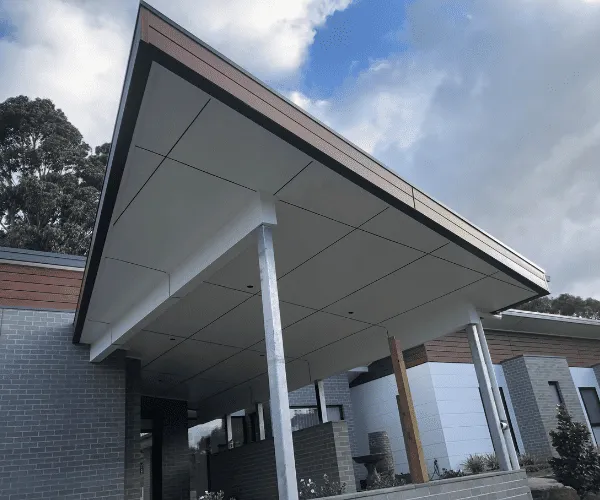
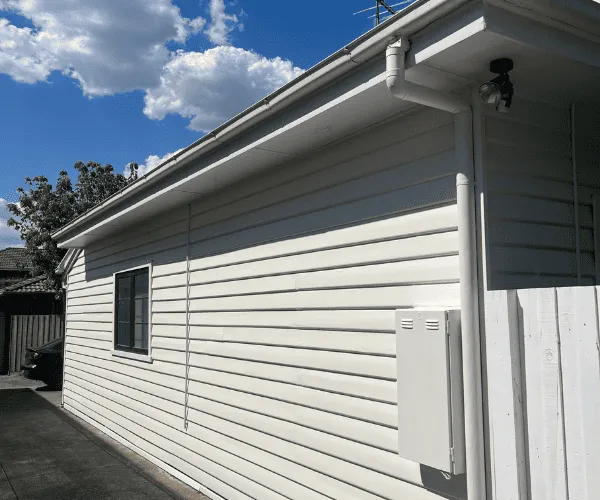
Externally, that can include weatherboards, eaves, fascia, doors, windows, pergolas, fences, and rendered surfaces. Internally, it may involve hallways, kitchens, bathrooms, ceilings, doors, and high-use family areas. Not every section of the home will age at the same rate, so a staged maintenance plan can make sense. You might refresh the exterior trim this year, then tackle key internal rooms later, rather than forcing a full repaint when only some areas need it.
That said, consistency matters. Spot work has its place, but if adjacent surfaces are heavily worn or faded, isolated touch-ups can look obvious. A professional assessment helps work out whether a targeted repair is enough or whether a broader repaint will give a cleaner, longer-lasting result.
Commercial and industrial maintenance needs a different approach
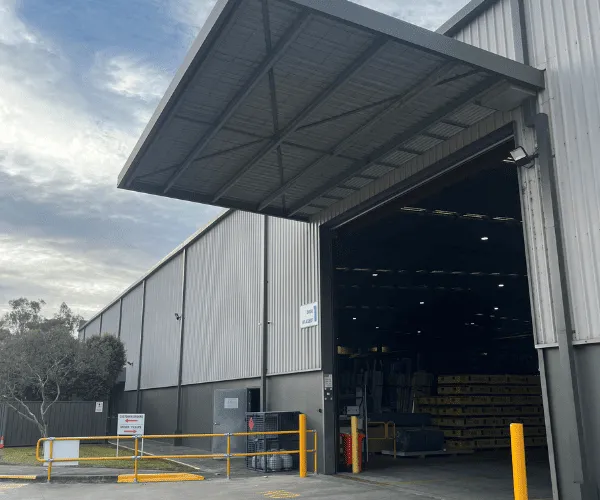
For commercial and industrial properties, downtime and coordination are usually the biggest concerns. A painter might do excellent work, but if the schedule causes unnecessary disruption, that matters. Maintenance painting in these environments needs planning, clear communication, and a practical understanding of how the site operates.
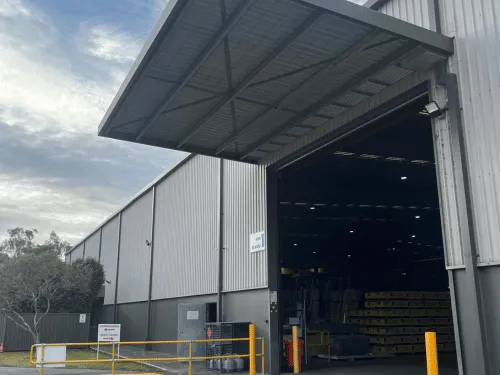
Retail spaces often need works completed around trading hours. Offices may need staged room-by-room scheduling. Warehouses and industrial facilities can require safe access planning, protection of stock and equipment, and careful coordination with site managers. The finish still matters, but so does the process.
This is where maintenance services become more valuable than one-off painting alone. A contractor who can inspect the site, identify repairs, sequence the work properly, and complete the job with minimal fuss gives the client far more certainty. For property managers handling multiple assets, that reliability is a major advantage.
The value of combining repairs with maintenance painting
One of the biggest mistakes in property upkeep is splitting related works into separate jobs when they should be handled together. If plaster damage, timber faults, dents, or minor carpentry issues are left unresolved, the final paint finish can only do so much.
Combining repairs with painting maintenance saves time and often leads to a better finish. It also makes quoting clearer because the scope is addressed upfront rather than expanding mid-project. For clients, that means fewer surprises and a more straightforward path from inspection to completion.
This matters especially for older properties, where surface condition can vary from room to room or elevation to elevation. Some areas may only need cleaning and recoating. Others may need patching, sanding, repairs, or substrate preparation before paint should even be considered. A dependable maintenance painter will tell you the difference.
How to plan maintenance without overspending
The most effective approach is usually not the biggest one. It is the right one for the property’s current condition, usage, and budget. Some owners benefit from a scheduled maintenance program. Others simply need a professional inspection every so often to identify priority areas before they worsen.
If budget is a concern, start with the highest-impact areas. For homes, that might be the front exterior, main living spaces, or moisture-prone rooms. For businesses, it is often customer-facing zones, access points, and areas that affect compliance or day-to-day operations. From there, stage the remaining works over time.
It also helps to ask practical questions at quote stage. What preparation is included? Are repairs part of the scope? Which products suit the substrate and exposure? Is the recommendation based on a long-term result or just a quick visual improvement? Straight answers here make it much easier to compare options properly.
Choosing the right contractor for painting maintenance Melbourne wide
Maintenance painting is not just about getting someone in quickly with a brush and roller. The better outcome comes from workmanship, planning, and honest advice about what the property actually needs. That means turning up on time, quoting clearly, preparing surfaces properly, and communicating well from start to finish.
For Melbourne clients, local knowledge matters too. Different property types across metro areas and the south-eastern suburbs come with different maintenance pressures, and experience helps when deciding how to approach them. A contractor who understands residential, commercial, and industrial environments can also provide more continuity if your needs change over time.
WE DO Painting is built around that practical approach – handling painting, repairs, and maintenance with the kind of clear service property owners and managers actually need. No fuss, no overcomplication, just solid work done properly.
Painting maintenance is easiest to manage when it becomes part of how you look after the property, not something you leave until the surfaces are calling for help. A well-maintained finish protects more than appearance – it gives you a building that feels cared for, performs better, and stays ready for whatever comes next.