How to Maintain Painted Surfaces Properly

How to Maintain Painted Surfaces Properly

Learn how to maintain painted surfaces with practical cleaning, repair and upkeep tips that help walls, trims and exteriors last longer.

Fresh paint can lift a room or sharpen the look of a building straight away, but the real test comes six months later. Scuffs on hallway walls, moisture marks in bathrooms, fading on exterior timber and chipped trim around busy doorways all show why knowing how to maintain painted surfaces matters just as much as choosing the right colour in the first place.

Good paintwork is not maintenance-free. It protects plaster, timber, metal and render from wear, moisture and sunlight, but every painted surface is exposed to a different level of stress. A bedroom wall and a shopfront fascia do not age at the same pace, so the best maintenance approach depends on where the paint is, what it is covering and how hard that area is used.

How to maintain painted surfaces without causing damage

The most common mistake is being too aggressive too early. People see a mark, grab a strong cleaner or rough scrubbing pad, and end up dulling the finish or removing paint altogether. In most cases, painted surfaces last longer when they are cleaned gently and checked regularly rather than attacked only when they look tired.

For interior walls, start with a soft microfibre cloth or sponge and warm water. If plain water is not enough, add a small amount of mild detergent. Test any cleaner in a low-visibility spot first, especially on darker colours or lower-sheen finishes, because some paints can mark more easily than others. Flat finishes often hide surface imperfections well, but they are generally less washable than satin or semi-gloss products.

Trims, doors and skirting boards usually cope better with light cleaning because they are often painted in tougher finishes. Even so, it is worth wiping rather than scrubbing. Dirt builds up gradually around handles, light switches and corners, and regular light cleaning is far better than trying to remove months of grime in one go.

Outside, painted surfaces need a different approach. Dust, cobwebs, traffic residue, bird droppings and mildew all build up over time. A soft brush, low-pressure wash or hose-down is usually enough for routine cleaning. High-pressure washing can be useful in some situations, but too much force can lift weak paint edges, drive water into gaps and expose existing defects.

What causes painted surfaces to wear out faster

Paint usually fails for a reason. Sometimes it is simple age, but more often there is an underlying issue that speeds things up.

Moisture is one of the biggest problems. In bathrooms, laundries and kitchens, poor ventilation can lead to mould, bubbling and peeling. On exteriors, leaking gutters, cracked sealant, rising damp and unprotected timber can all shorten the life of a paint system. If the cause is not fixed, repainting becomes a short-term patch rather than a proper solution.

Sun exposure also matters. In Melbourne, exterior surfaces can deal with strong UV, rain, wind and quick weather changes across the year. North- and west-facing areas often show fading and breakdown earlier than more protected sides of the property. Dark colours can look sharp, but they may absorb more heat and show weathering sooner depending on the substrate and paint used.

Wear and impact are another factor. Hallways, stairwells, commercial entries, factory areas and rental properties tend to take more knocks than low-traffic rooms. In those places, maintenance is not just about cleaning. It is about choosing durable finishes, touching up damage early and keeping protective coatings in good condition.

A practical maintenance routine for homes and businesses

If you want paintwork to hold up, routine beats guesswork. A simple schedule makes it easier to catch small issues before they become larger repairs.

Inside the property, check painted walls and woodwork every few months. Look for scuffs, hairline cracks, bubbling near wet areas, stains that keep returning and chipped edges around doors or windows. These are often early signs that something needs attention. In commercial spaces, monthly visual checks are more realistic because high-traffic areas can deteriorate quickly.

For exteriors, a more seasonal approach works well. After periods of wet weather, inspect eaves, fascias, window frames, weatherboards, fences and rendered walls. Look closely at joints, corners and horizontal surfaces where water tends to sit. Paint breakdown often starts in localised spots before it becomes obvious across the whole elevation.

Cleaning should sit alongside inspections. Interior walls may only need occasional spot cleaning in low-use areas, while family homes, rental properties and busy workplaces often benefit from more regular wiping of touch points and lower wall sections. Exterior surfaces usually do well with periodic washing to remove dirt and organic growth, especially in shaded or damp areas.

When touch-ups work and when they do not

Touch-ups can be useful, but they are not always invisible. Whether a patch blends in depends on the age of the existing paint, the sheen level, the colour and how the original coat has weathered.

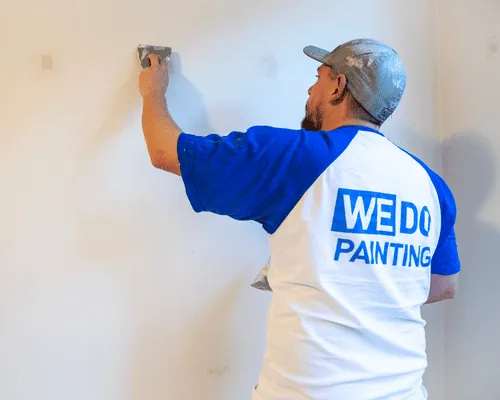
On newer paintwork, small touch-ups often work well if the same product and colour are used. Clean the area first, remove any loose material, sand lightly if needed and feather the edges so the repair does not stand proud. This is particularly effective on trims, doors and utility areas where practical upkeep matters more than a perfect blend.

On older walls, especially those painted in low-sheen or flat finishes, a small patch may flash or stand out under light. In that case, repainting the entire wall from corner to corner usually gives a better result. The same principle applies outside. If an isolated spot has failed because of damage, a local repair may be enough. If multiple sections are chalking, peeling or fading, broader repainting is usually the smarter investment.

Repairs matter as much as paint

A lot of maintenance issues are not really paint issues. They are substrate issues showing through the coating.

Cracked plaster, swollen timber, rusting metal, failed caulking and movement in joints all affect how paint performs. If these are left as they are, the new coating will only hide the problem briefly. That is why proper upkeep often includes surface preparation and minor repairs, not just another coat over the top.

For homeowners, this might mean filling cracks, resealing gaps and replacing damaged sections of trim before repainting. For property managers and commercial clients, it often means combining painting maintenance with plaster repairs, carpentry touch-ups or moisture-related rectification. The better the surface beneath, the longer the finish above will last.

How to maintain painted surfaces in high-moisture and high-traffic areas

Some areas always need more attention than others. Bathrooms, kitchens, laundries, corridors, shopfronts and shared tenancy spaces usually age faster because they are exposed to steam, cleaning chemicals, impact or constant contact.

In wet areas, ventilation is part of paint maintenance. Exhaust fans need to work properly, windows should be opened where practical and condensation should not be left sitting on walls and ceilings for long periods. If mould appears, clean it carefully and address the moisture source. Painting over it without treatment will not solve the problem.

In high-traffic areas, prevention helps. Door stops reduce wall dents, regular cleaning stops grime from becoming embedded, and prompt repair of chips prevents exposed surfaces from deteriorating further. In commercial and industrial settings, planned maintenance is often more cost-effective than waiting until the whole site looks worn out. Smaller works completed at the right time can extend the life of larger painted areas and help present the property properly.

Knowing when maintenance becomes repainting

There comes a point where ongoing touch-ups stop being efficient. If you are constantly cleaning stains that will not lift, noticing widespread fading, seeing repeated peeling or finding that patched areas no longer blend, it is probably time for a fresh paint system rather than more short-term fixes.

That does not always mean every surface needs repainting at once. Sometimes a staged approach makes more sense, especially for larger homes, commercial premises or facilities that need to manage budget and disruption. Prioritising exposed exteriors, wet areas or customer-facing spaces can improve appearance and protection without turning the job into a full overhaul.

A professional assessment is useful here because the right answer depends on condition, substrate and use. Some surfaces only need cleaning and minor repairs. Others need proper preparation and recoating to avoid bigger maintenance costs later.

Paint lasts longer when it is treated as part of the building, not just decoration. Clean it gently, inspect it often, fix the cause of damage early and do repairs properly when they are needed. That approach keeps painted surfaces looking better for longer and helps protect the value of the property at the same time.