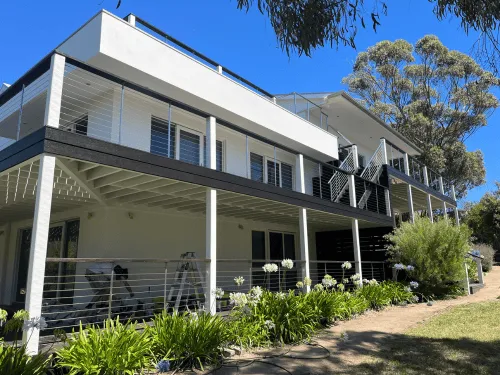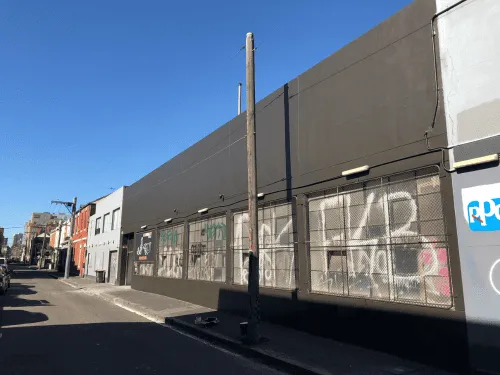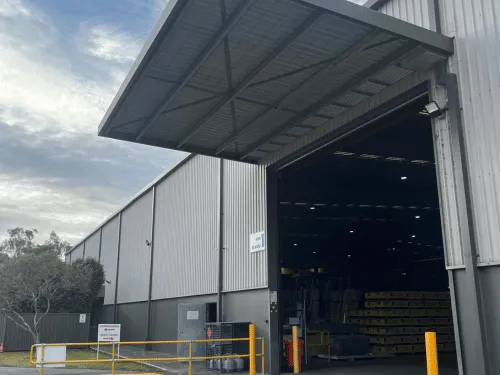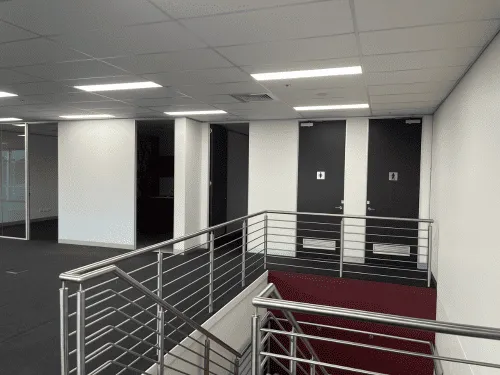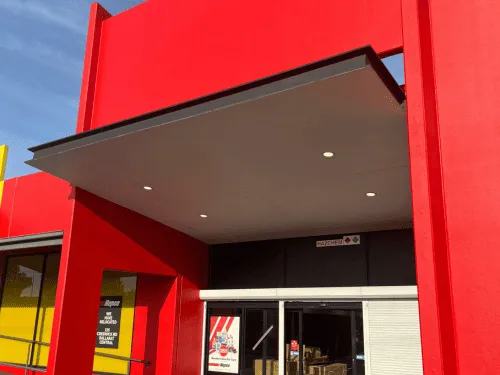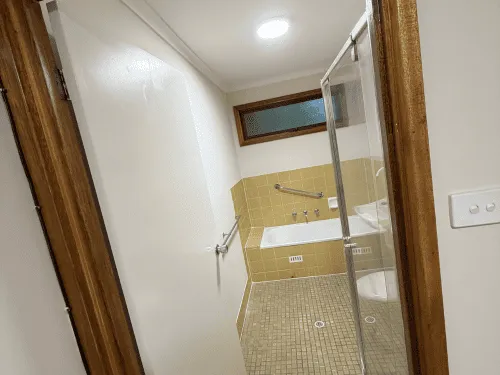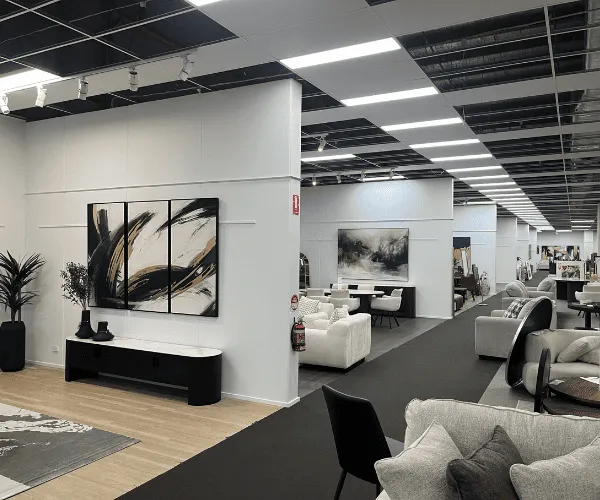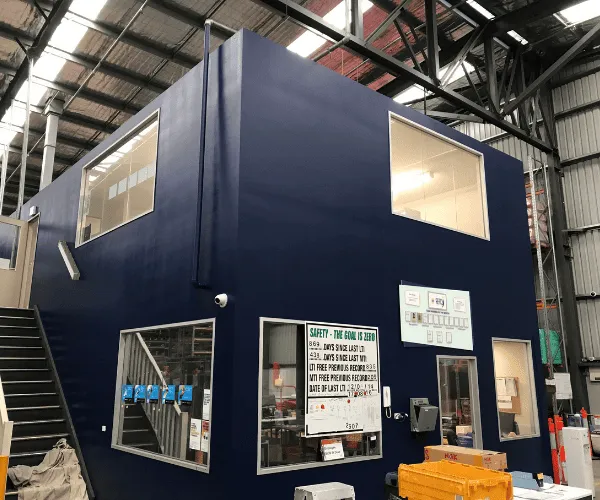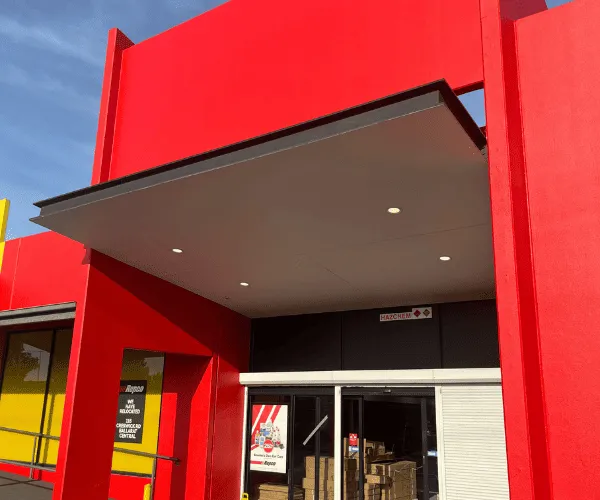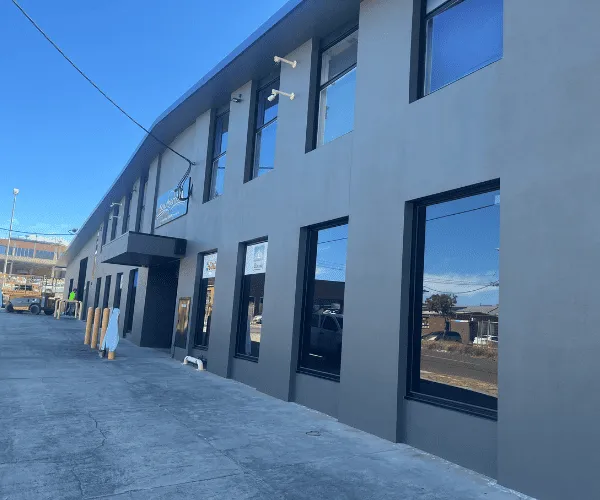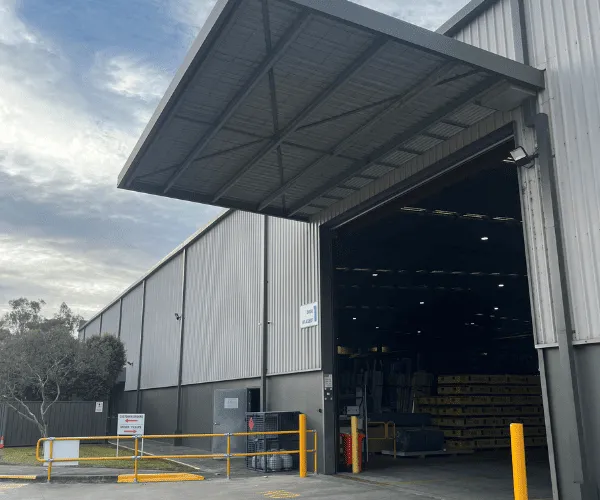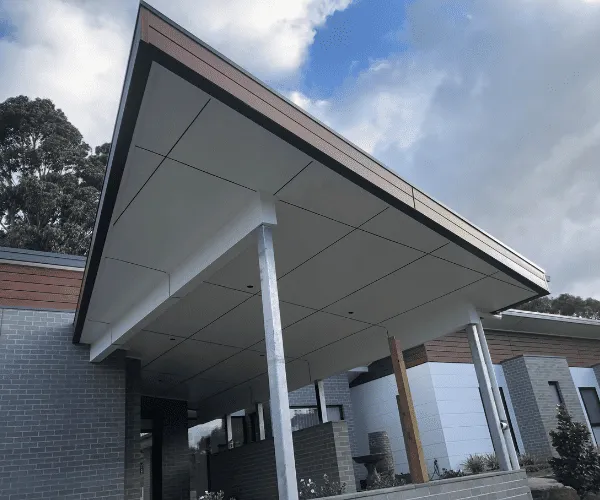
A tired shopfront, marked office walls or peeling warehouse coatings do more than look rough. They shape how customers, tenants and staff see the business. That is why choosing the right commercial painting contractors Melbourne businesses rely on is not just about getting paint on walls. It is about protecting the property, keeping disruption under control and making sure the job holds up.
Commercial painting is a different job from repainting a home. The scale is different, the scheduling is tighter and the expectations are higher. A commercial site often needs work completed around staff, customers, deliveries or tenants. There can also be repair work involved before painting starts, especially in older buildings or high-traffic spaces where walls, trims and external surfaces take a beating.
What commercial painting contractors Melbourne clients should actually look for
The best contractor is not always the one with the cheapest quote. In commercial work, low pricing can hide rushed prep, unclear scope or products that will not last. A better way to compare contractors is to look at how they manage the whole job.
Start with experience in commercial environments. Painting a retail tenancy, office fit-out, school, medical suite or industrial site each comes with different pressures. Some projects need after-hours work. Others need staged scheduling so parts of the site stay operational. A contractor with genuine commercial experience will ask the right questions early and build the job around how your site runs.
Clear quoting matters just as much. A proper quote should spell out what is included, what surface preparation is required, whether repairs are part of the scope and what level of finish you can expect. If those details are vague, problems usually show up later as delays, variations or a finish that does not meet expectations.
Communication is another big one. Commercial clients usually have more stakeholders involved than residential clients. It might be a business owner, facilities manager, body corporate, property manager or tenant. You need a contractor who can keep everyone informed without making the process harder than it needs to be.
The work behind a professional finish
Most people notice the final colour. Professionals notice the preparation.
On commercial jobs, prep work often decides whether the paint lasts or starts failing early. That includes cleaning, sanding, patching, filling, sealing stains, treating moisture issues where needed and repairing damaged plaster or timber before coatings go on. If external areas are exposed to Melbourne weather, the condition of the substrate matters even more.
This is where a full-service contractor can save time and headaches. When the same team can handle painting as well as common repair work, the job moves faster and quality control is simpler. You are not chasing multiple trades just to get walls ready for painting.
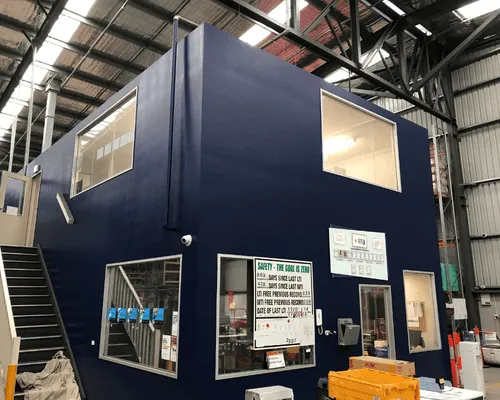
There is also the issue of product selection. Not every commercial space needs the same finish. A reception area might call for a clean, polished look with strong washability. A warehouse may need coatings chosen for durability over appearance. A childcare centre or medical setting may have different practical requirements again. Good contractors explain the options in plain language and match the system to the space, rather than pushing a one-size-fits-all solution.
How to compare commercial painting quotes properly
If you are speaking with a few commercial painting contractors Melbourne has plenty to offer, but not every quote is easy to compare. Two prices can look similar on paper while covering very different scopes.
Look closely at surface prep, included repairs, access requirements, protection of furniture or equipment, working hours and the number of coats. Check whether the quote allows for difficult areas such as stairwells, high ceilings, external facades or busy common areas. Ask what happens if hidden damage is uncovered once the job starts.
Timing should be discussed upfront too. Fast turnaround is valuable, but only if it is realistic. A contractor who promises a very short timeframe without asking many questions may be underestimating the job. That can create pressure later when the site is busier than expected or extra prep is needed.
It also helps to ask who will actually be on site. Some companies quote the work and then hand it off with little oversight. Others manage the project closely from start to finish. For business owners and property managers, that difference can affect both the quality of the finish and the ease of the process.
Why disruption control matters as much as price
For many commercial clients, the real cost of painting is not just the invoice. It is downtime, noise, restricted access and the impact on staff or customers.
A dependable contractor plans around that. That may mean working in stages, tackling high-traffic zones after hours, scheduling around tenant access or coordinating with other maintenance work. In some settings, it is better to complete one section properly at a time rather than trying to paint the whole site at once.
There is always a trade-off. Night works or weekend works can reduce disruption, but they may affect cost and project planning. On the other hand, standard working hours may be more cost-effective if the building can accommodate the work without major interruption. The right answer depends on the site, the business and how much flexibility you have.
This is where local knowledge helps. Commercial painters who work across Melbourne understand the mix of older buildings, newer fit-outs, strata properties and high-use business premises that come with different access and maintenance issues.
Interior, exterior and maintenance painting are not the same conversation
Some clients ask for a repaint when what they really need is a maintenance plan. Others focus only on visible areas and miss early signs of damage elsewhere.
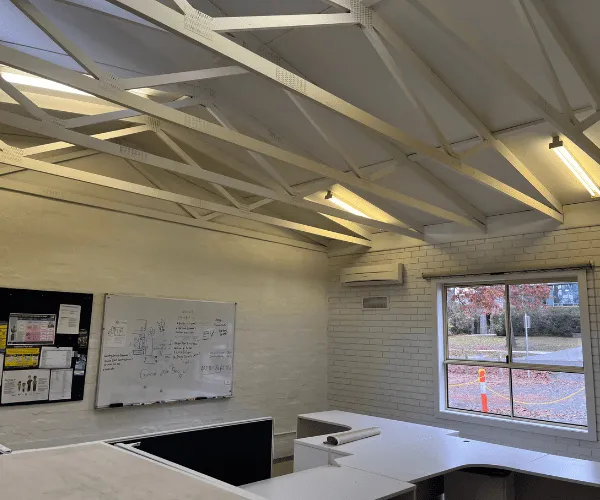
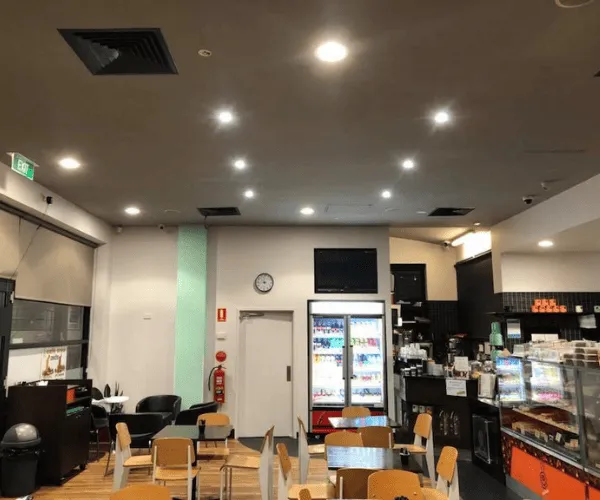
Interior commercial painting is often about presentation, cleanliness and wear resistance. Office walls, corridors, staff areas and customer-facing spaces all need finishes that can cope with regular use. Colour choices play a part, but practical performance matters just as much.
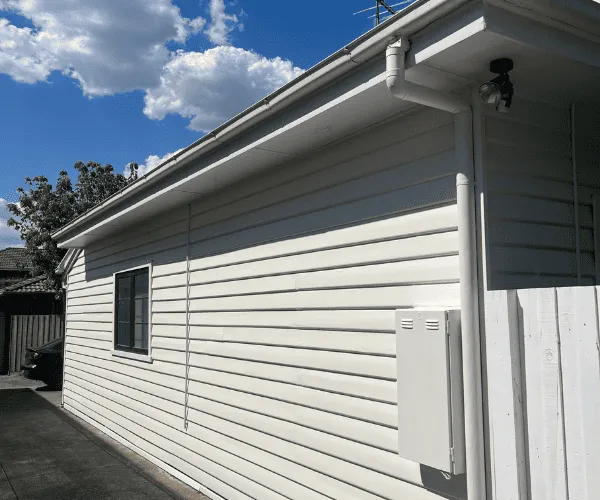
Exterior painting is more about protection. Sun, moisture and general exposure break down surfaces over time. If external coatings are failing, repainting without fixing underlying issues is a short-term fix. Proper prep and suitable products are what give you a better return on the spend.
Then there is ongoing maintenance. For property managers and businesses with multiple sites, periodic touch-ups and repair work can be smarter than waiting for a full repaint. Smaller works completed at the right time help maintain appearance and can prevent larger repair bills later. That is especially useful in commercial settings where image and upkeep affect customer confidence.
When a cheaper painter ends up costing more
It is tempting to take the lowest price, especially on larger commercial jobs. Sometimes that works out. Often it does not.
The common problems are easy to spot afterwards – poor surface prep, patchy coverage, inconsistent cutting in, paint failure on damaged areas and a finish that wears too quickly. Then the client pays twice, once for the original job and again to fix it earlier than expected.
There can be softer costs as well. Missed deadlines, poor communication and messy site management can create frustration for staff, tenants and customers. That affects day-to-day operations in a way that does not show up on the quote.
A stronger commercial contractor gives you more certainty. You are paying for workmanship, planning, accountability and a finish that is built to last. For many businesses, that is the better value decision.
Choosing a contractor that fits your site
The right fit depends on what matters most to your property. If you manage a retail or hospitality space, presentation and minimal disruption may sit at the top of the list. If you run an industrial site, durability, safe work practices and scheduling around operations may be the priority. If you are responsible for offices or mixed-use buildings, communication and maintenance capability can be just as important as the painting itself.
That is why the first conversation matters. A good contractor will want to understand the condition of the site, the timeline, access limits and the result you are aiming for. They should be able to explain the process simply and give you confidence that the work will be handled properly.
For businesses and property managers who want one team to handle painting, repairs and ongoing upkeep, working with an experienced local contractor such as WE DO Painting can make the process more straightforward. The main thing is choosing a team that treats the job like a business asset, not just a paint project.
A commercial property does not need fancy promises. It needs solid preparation, reliable delivery and a finish that stands up to daily use. When you choose well, the result shows in how the place looks, how it performs and how little trouble it causes once the job is done.