What Is Best Interior Wall Paint?

What Is Best Interior Wall Paint?

Wondering what is best interior wall paint? Learn how sheen, washability, durability and room use affect the right choice for your walls.

Fresh paint can make a room feel cleaner, brighter and more finished – but choosing the wrong one shows up quickly. Marks won’t wipe off, patching stands out, or the sheen looks harsher than expected once the light hits it. If you’re asking what is best interior wall paint, the real answer is not one brand or one tin. It comes down to where the paint is going, how the room is used, and how long you want the finish to hold up.

For most homes and many commercial interiors, the best wall paint is the one that balances appearance with durability. A formal sitting room, a busy hallway and a rental property all need something slightly different. That is why a good paint decision starts with performance, not just colour.

What is best interior wall paint for most rooms?

If you want the short version, a high-quality low sheen acrylic is the safest choice for most interior walls. It gives a soft, modern finish, hides minor surface imperfections better than glossier paints, and is usually easier to clean than a very flat finish. In living rooms, bedrooms, hallways and offices, low sheen tends to give the best all-round result.

That said, there are exceptions. In rooms that take more moisture or more wear, the best paint may be a washable matte or a higher-performance low sheen designed for scrubbing. In some commercial settings, you may even choose a finish with more sheen for easier maintenance, even if it shows more surface flaws.

The key point is this: the best interior wall paint is not just about how it looks on day one. It is about how it performs after months of fingerprints, furniture scuffs, cleaning and changing light.

The features that matter most

When clients compare paint, they often focus on colour first. Colour matters, of course, but the finish underneath it is what decides whether the job still looks sharp a year later.

Washability

For family homes, rentals, schools, waiting rooms and common areas, washability is a big factor. Some paints claim to be wipeable but lose their finish when cleaned too often. Better-quality interior paints are formulated to handle regular cleaning without going patchy or burnished.

If you have children, pets or high-traffic walls, this is one area where spending a bit more usually pays off.

Durability

Durability is about more than resisting scratches. Good interior wall paint should hold its colour, stick properly to prepared surfaces, and cope with day-to-day wear without early breakdown. In entryways, corridors and stairwells, lower-grade paint often starts to look tired much faster than expected.

Sheen level

Sheen changes both the look and the practicality of paint. Flat or matte finishes soften the look of walls and hide imperfections well, but some are harder to clean. Low sheen sits in the middle and suits most rooms. Higher sheen paints are easier to wipe, but they can highlight poor plasterwork, dents and uneven patches.

Coverage and consistency

Better paint often covers more evenly and gives a more consistent finish. That does not always mean one coat only – proper systems still matter – but premium paint generally builds colour and finish with less trouble. That helps the final result look cleaner and more professional.

Choosing the best paint by room

The easiest way to answer what is best interior wall paint is to look at the room itself.

Living rooms and bedrooms

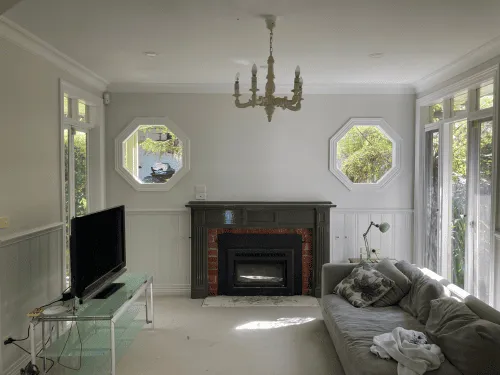
In these spaces, appearance usually matters most. A quality matte or low sheen acrylic works well because it gives a smooth, modern look without too much reflection. If the walls have a few imperfections, flatter finishes are more forgiving.

For adult bedrooms or formal lounge rooms, you can lean more towards aesthetics. For children’s rooms, it is worth choosing a product with stronger washability even if the finish has a little more sheen.

Hallways and entry areas

These are some of the hardest-working walls in any property. Bags brush against them, hands touch them, and marks build up fast. A durable low sheen washable paint is usually the best choice here. It keeps a softer look than a semi-gloss while standing up better to regular cleaning than a basic flat paint.

Kitchens

Kitchen walls deal with splashes, grease and regular wipe-downs. You usually want a finish that cleans easily without becoming shiny in a bad way. A quality washable low sheen or kitchen-specific wall paint is a practical option.

If cooking is frequent and ventilation is limited, stronger moisture and stain resistance becomes more important.

Bathrooms and laundries

These rooms need paint that can handle humidity and changing temperatures. A standard wall paint may be fine in a well-ventilated powder room, but full bathrooms and laundries often benefit from moisture-resistant formulations. The best result also depends on correct prep and making sure the right paint is used in the right zones.

Offices and commercial interiors

Commercial spaces often need a balance between presentation and ongoing maintenance. In a reception area, finish quality matters. In corridors, staff areas or tenancy fit-outs, durability and easy cleaning may take priority. The best interior paint in these cases is usually a professional-grade product chosen for traffic levels, maintenance demands and the condition of the substrate.

Matte, low sheen or washable finish?

This is where a lot of decisions get made. Matte paint has become popular because it gives walls a clean, understated look. In the right product, it can also perform very well. But not all matte paints are equal. Some premium washable mattes are excellent, while cheaper ones can mark easily.

Low sheen remains the dependable middle ground. It has enough softness for modern interiors and enough resilience for everyday use. For many homes, this is the sweet spot.

If you need something tougher, especially in high-contact areas, a washable finish made for frequent cleaning is often the better choice. The trade-off is that as sheen increases, surface defects become more visible. That is why preparation matters just as much as product selection.

Brand matters, but so does the system

People often ask for the single best brand. There are several reputable paint brands on the Australian market that produce strong interior ranges, and many have products suited to different budgets and building types. But the best result does not come from brand alone.

Surface prep, undercoats, repairs, moisture issues and application all affect the final finish. A premium paint on a poorly prepared wall will still underperform. On the other hand, a well-chosen professional system applied properly can give a long-lasting result that looks better and stays that way.

This is especially relevant when repainting older homes, patched plaster, water-damaged areas or walls with previous sheen differences. Matching the coating system to the condition of the surface is what prevents flashing, peeling and uneven texture.

What to avoid when choosing interior wall paint

The most common mistake is choosing based on price alone. Cheap paint may seem like a saving at the start, but if it needs extra coats, marks easily or wears out early, it costs more in time and maintenance.

Another mistake is choosing a finish that looks good on a sample board but does not suit the room. Dark colours in a high-sheen finish can show roller marks, patching and every small defect. Very flat paint in a busy corridor may look tired too quickly.

It is also easy to underestimate the impact of lighting. Natural light, downlights and lamp light can all change how colour and sheen appear. A paint that looks soft during the day may reflect more than expected at night.

So, what is the best interior wall paint?

For most Australian homes, the best interior wall paint is a high-quality low sheen acrylic with good washability and proven durability. It suits the widest range of rooms, gives a clean look, and handles daily wear better than basic flat paint. If the room needs extra performance, such as a hallway, kitchen or commercial setting, step up to a washable product designed for heavier use.

If the walls are less than perfect and appearance is the top priority, a premium matte can be the better option. If moisture or repeated cleaning is a factor, choose a paint specifically made for that environment.

That is the practical answer. The best paint is the one that fits the room, the surface and the level of wear you expect. Good painting is not just picking a nice colour off a chart. It is choosing a finish that keeps doing its job long after the brushes are packed away.

If you are unsure, it is worth getting advice before the paint goes on. A well-chosen product can save a lot of touch-ups, maintenance and frustration later.