Warehouse Painting Done Right

Warehouse Painting Done Right

Warehouse painting improves safety, protects surfaces and lifts presentation. Learn what matters before planning a durable, low-disruption job.

A warehouse does not give you much room for cosmetic mistakes. High traffic, forklifts, loading zones, racking, dust, moisture and long operating hours all put pressure on painted surfaces. That is why warehouse painting is never just about making a space look cleaner. It is about protecting the building, supporting safer movement, and keeping the site presentable without causing unnecessary downtime.

For owners, facility managers and operations teams, the real question is not whether to paint. It is how to do it in a way that lasts. A rushed job can peel early, mark easily and interrupt the site more than it should. A well-planned job gives you a cleaner, brighter and more durable workplace that works better day to day.

Why warehouse painting matters more than it seems

In industrial spaces, paint has a practical job to do. Walls, ceilings, columns and steelwork are exposed to knocks, grime and changing conditions. Once surfaces start to fail, the building can quickly look tired, even when operations are running well. That affects more than appearance. It can change how clients, staff and contractors view the site.

There is also the safety side. Clear line marking, visible bollards, marked walkways and well-finished traffic areas help people move through the warehouse with more confidence. Better light reflection from the right ceiling and wall coatings can also improve visibility. In large spaces, that makes a real difference.

Then there is asset protection. Bare or failing surfaces can absorb moisture, collect contaminants and deteriorate faster. On steel, concrete and blockwork, the right preparation and coating system can add a layer of defence that slows wear and helps the property hold its value over time.

Good warehouse painting starts before the first coat

The success of a warehouse painting project usually comes down to preparation. Industrial sites are hard on coatings, so the condition of the substrate matters as much as the paint itself. If concrete is dusty, if steel is rusting, or if old paint is chalking and loose, new paint applied over the top will only hide the problem briefly.

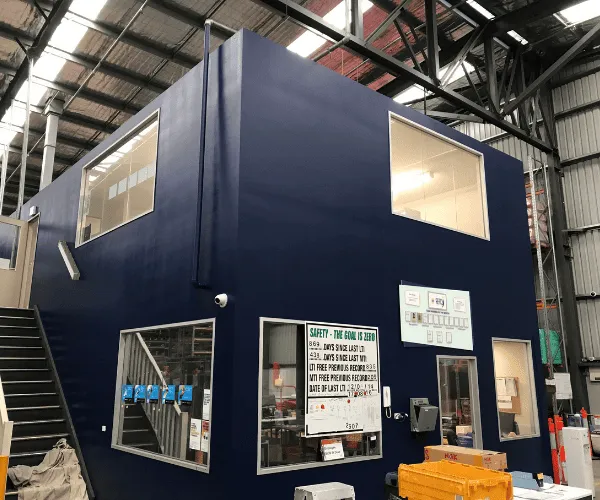
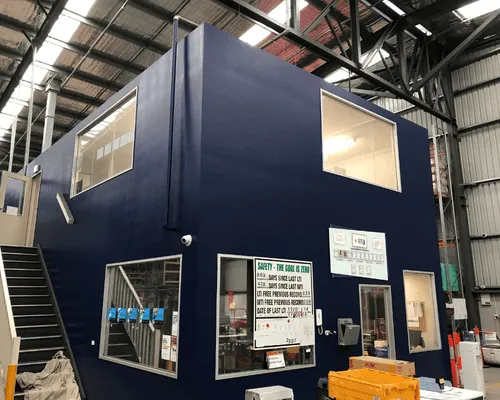
A proper assessment should look at what the surface is made of, how it is currently performing, what level of traffic it receives and what it is exposed to. A warehouse with food storage requirements is not the same as a mechanical workshop. A dispatch area near roller doors is not the same as an internal office built into the warehouse floor. Each part of the building may need a different approach.

Repairs are often part of the job too. Cracks, impact damage, plaster issues in office areas and timber or carpentry repairs around frames or trims should be sorted before painting starts. That gives the finish a better chance of lasting and avoids paying for cosmetic work over surfaces that are not ready.

Choosing the right coating system

Not every paint product belongs in a warehouse. The right system depends on where it is going and what that area needs to withstand.

For internal walls, durability and washability are usually the priority. In busy areas, a finish that can handle scuffs and regular cleaning is a smarter choice than a lower-grade decorative coating. Ceilings often benefit from coatings that improve brightness and help reflect available light. That can make the warehouse feel cleaner and more efficient without changing the layout at all.

For steelwork, columns and exposed structural elements, corrosion resistance is a key factor. If there is rust already present, preparation and priming become critical. Applying a finish coat without treating corrosion properly may look fine at handover, but it rarely holds up.

Warehouse floors are their own category. Floor coatings can improve appearance and define traffic zones, but they also need to handle forklifts, pallets, abrasion and sometimes chemical exposure. That means product selection has to match the use of the space. A coating that suits light foot traffic in a storeroom may not perform in a heavy-use loading area.

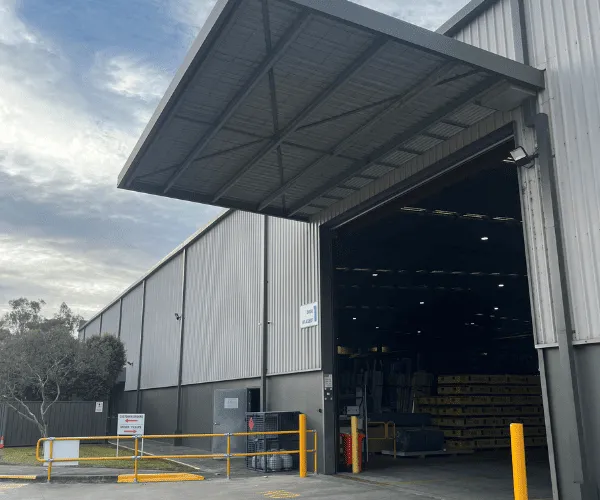
External warehouse surfaces also need careful product selection. Sun exposure, rain and temperature changes all affect durability. If the building frontage forms part of your customer-facing image, there is value in getting both the protection and presentation right.

Where disruptions usually happen

Most warehouse managers are less worried about the painting itself than they are about lost access and interrupted operations. Fair enough. The challenge is to improve the site without getting in the way of the work that keeps it running.

This is where planning matters. Some projects can be staged by zone, completed after hours, or timed around lower-activity periods. In other cases, access equipment, floor curing times or safety separation requirements mean some disruption is unavoidable. The key is to know that early and build it into the job plan.

A dependable contractor will be clear about what areas need to be isolated, how long each stage is likely to take, and what can remain operational. There is no value in promising zero disruption if the site conditions make that unrealistic. Straight communication is better for everyone.

Safety and compliance should not be an afterthought

Warehouse painting often takes place in active environments with pedestrians, plant, stock and deliveries moving around the site. That means safety controls are part of the work, not an add-on.

Access equipment, traffic management, ventilation, surface preparation and drying times all need to be managed properly. If line marking or hazard colouring is included, accuracy matters. The point is not just to make the site look compliant, but to support safer movement and clearer visual cues in everyday operations.

On some sites, the biggest win comes from restoring order visually. Freshly painted columns, marked walkways, numbered bays and clearly defined loading zones can make a warehouse easier to navigate for staff, visitors and contractors alike.

Signs your warehouse needs painting

Some sites make the need obvious. Others keep operating while the building slowly deteriorates around them. If you are seeing widespread scuffing, peeling, chalky residue, rust stains, water marks or hard-to-clean walls, the coating system is likely no longer doing its job properly.

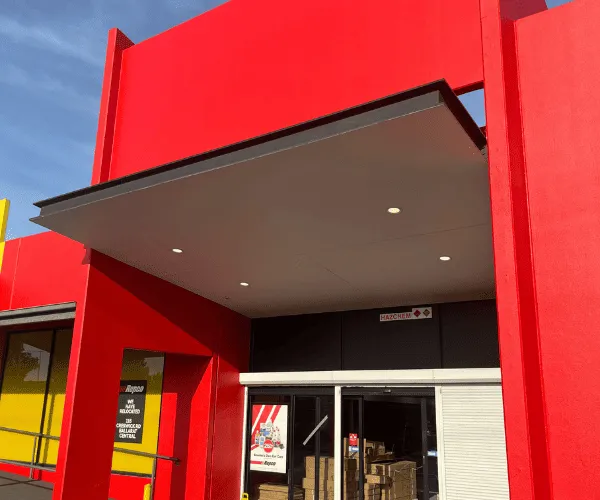
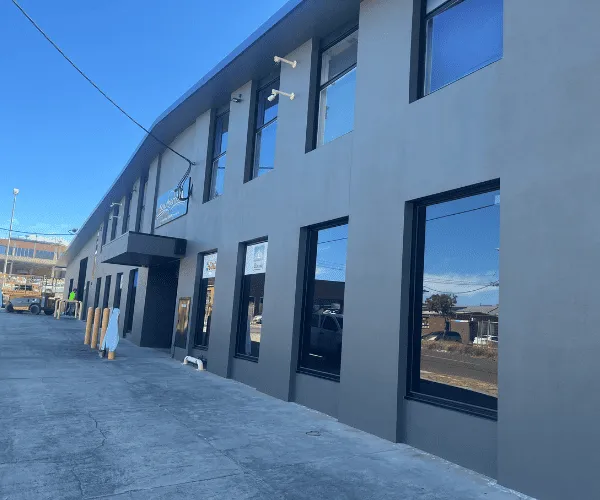
Another common sign is poor presentation at the front of house. You may run an efficient warehouse, but if the external walls, office entry or internal common areas look worn, that can affect first impressions. For businesses that receive suppliers, clients or auditors on site, appearance still counts.

Lighting can also be a clue. Darkened ceilings and tired wall finishes absorb more light than many people realise. A brighter repaint can improve visibility and lift the whole space without major capital works.

What to ask before booking a warehouse painting project

Before any work starts, it helps to get clear on scope, timing and expected performance. Ask what preparation is included, whether repairs are part of the quote, what products are being used in each area, and how the project will be staged around operations.

It is also worth asking how long the finish is expected to last under your site conditions. There is no universal answer because every warehouse operates differently. A clean storage facility and a heavy industrial site will not wear coatings at the same rate. Still, an experienced painter should be able to explain the trade-offs between a lower upfront cost and a system built for longer service life.

If your warehouse includes offices, amenities, external facades or ongoing maintenance needs, it often makes sense to deal with one contractor who can manage the broader scope properly. That keeps communication simpler and usually leads to a more consistent result across the property.

Warehouse painting is a maintenance decision, not just a visual one

One of the most common mistakes in industrial properties is leaving painting until the building looks too far gone. By then, more preparation is needed, repairs can be more involved, and the project can cost more than it would have earlier.

Treating warehouse painting as part of planned maintenance is usually the better move. It allows you to schedule work around operations, address issues before they spread and keep the property in a condition that reflects well on the business. For many sites, that is the difference between constant patch jobs and a finish that performs properly.

A good warehouse does not need to look fancy. It needs to look cared for, safe and ready for work. If the surfaces in your facility are starting to show their age, sorting them now is often easier than waiting for the wear to become a bigger problem.